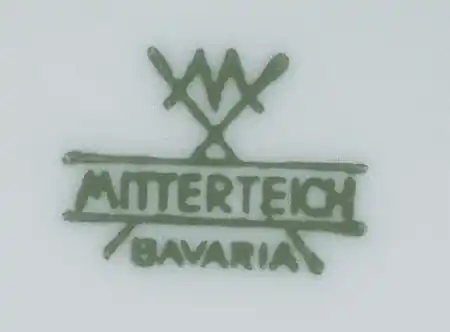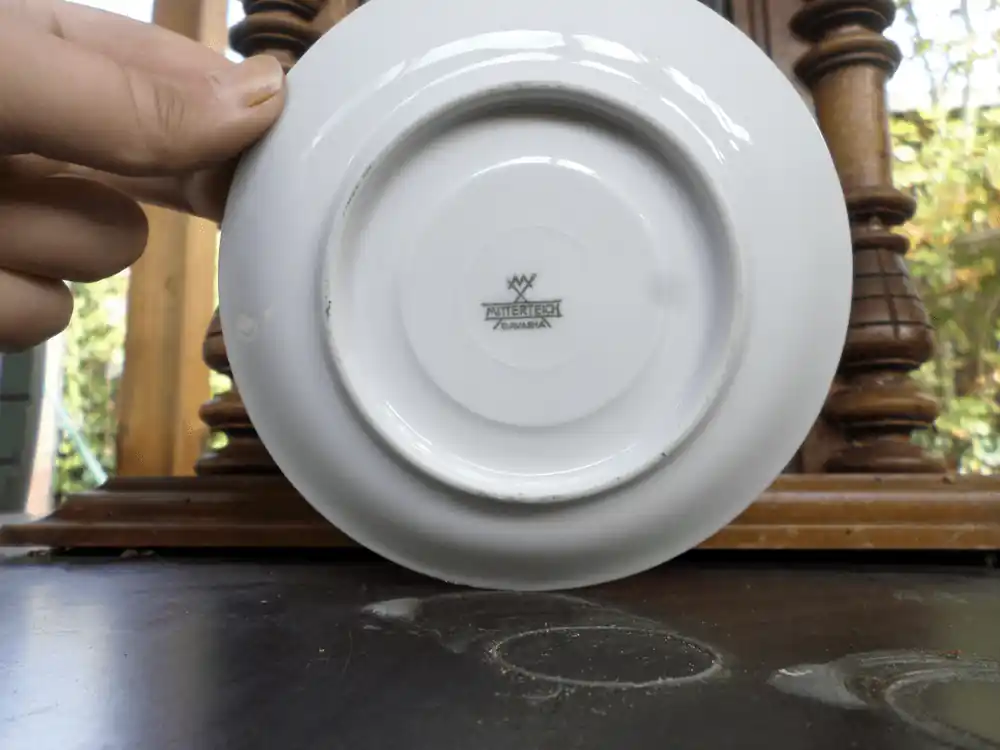
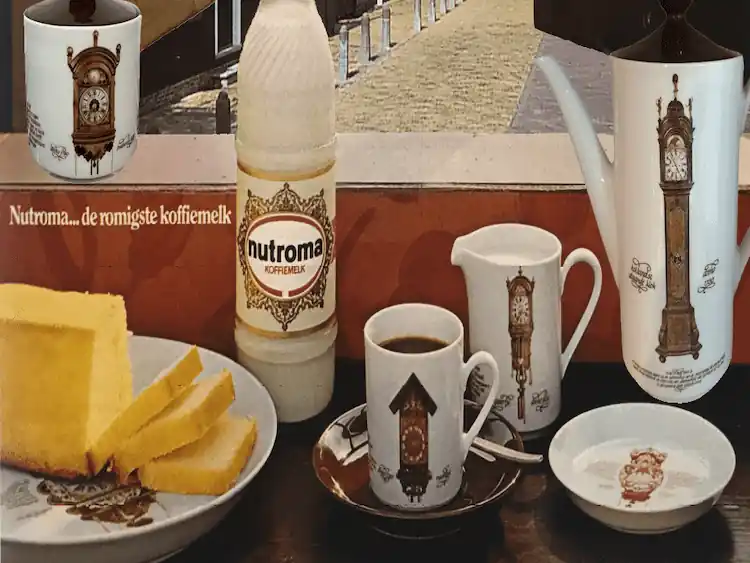
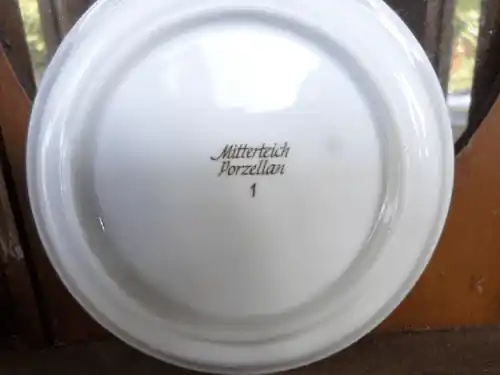
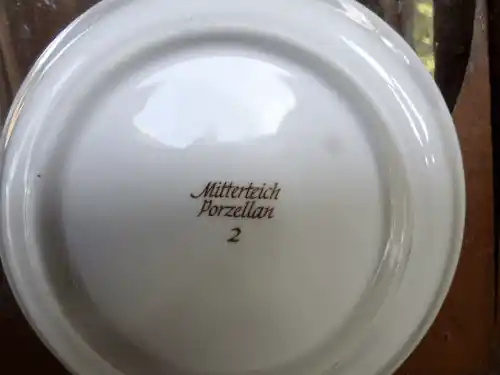
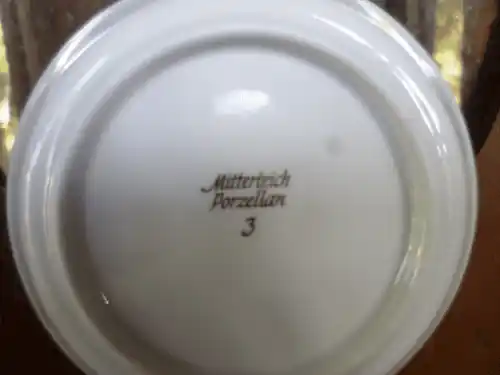
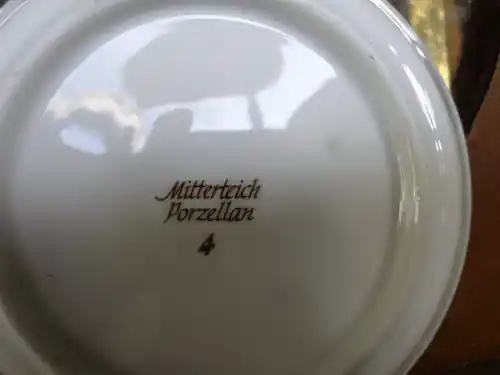
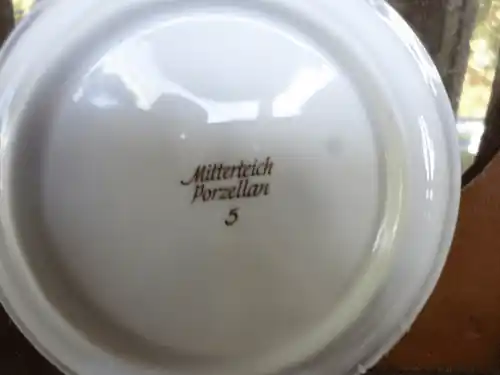
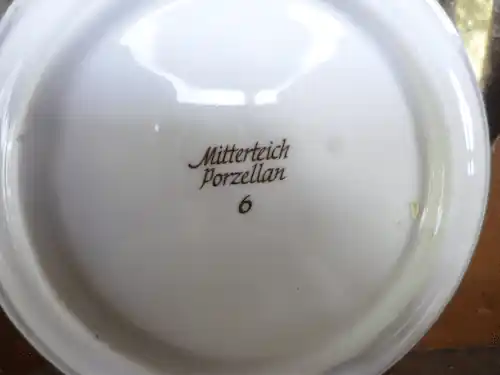
I am still missing a couple bits in my collection of the Mitterteich Bavaria clock set, the middle sized plates and the milk and sugar holders. I also really desperately oughtta test these things for lead so that I can maybe use them starting this spring.
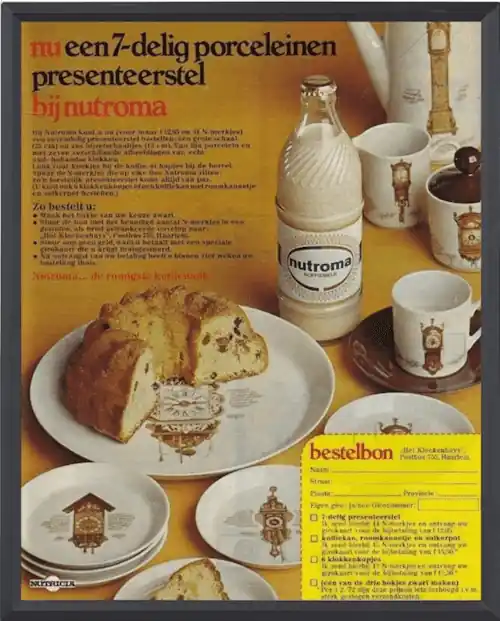
The clock set was released as gifts with purchases of Nutroma coffee milk. They were produced in the seventies and the images and text were provided by nominated clock expert Jaap Zeeman.
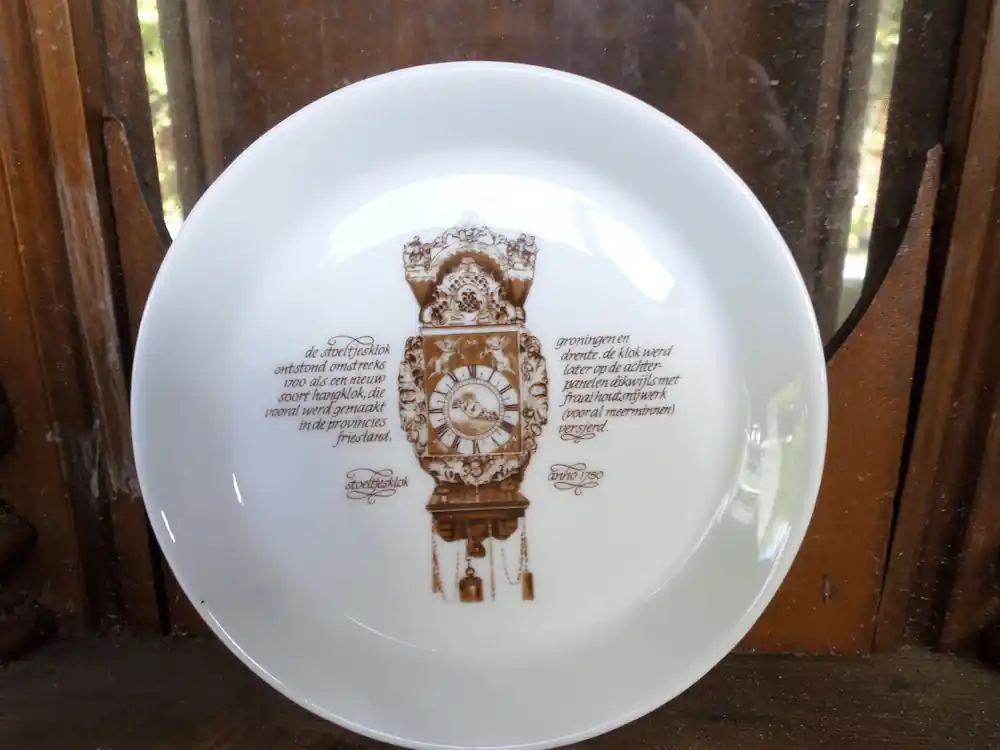
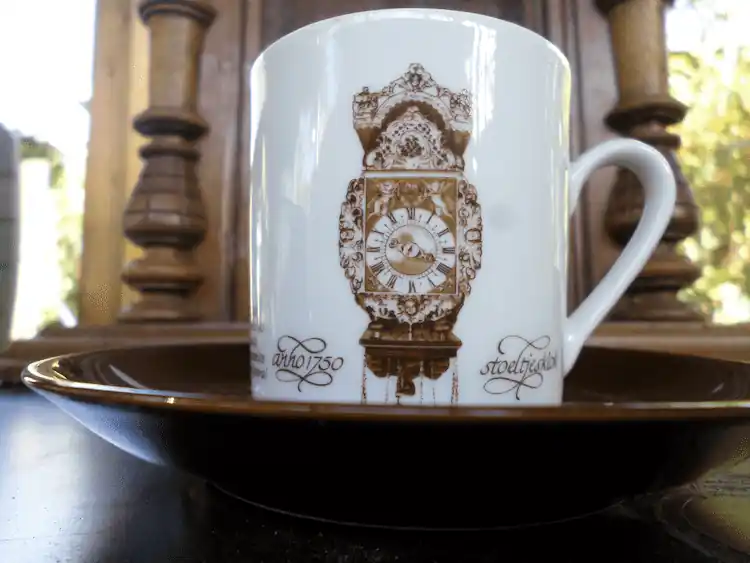
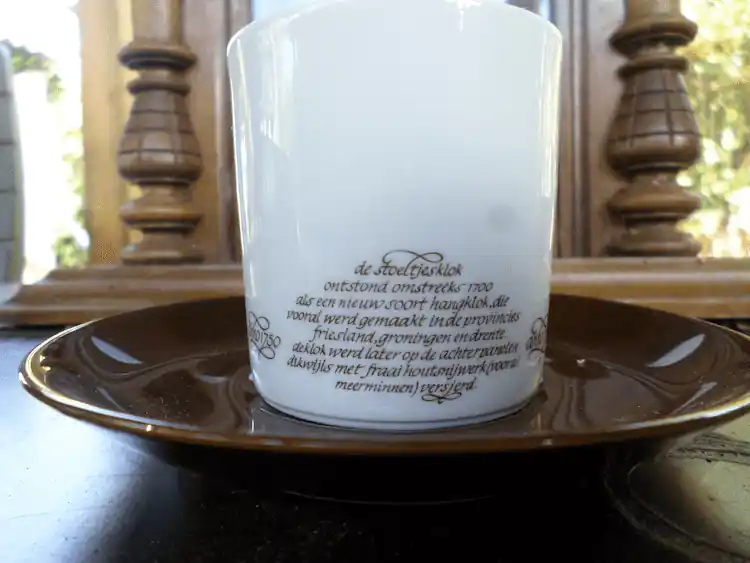
Stoeltjes klok anno 1750
De stoeltjesklok ontstond omstreeks 1700 als een nieuw soort hangklok, die vooral werd gemaakt in de provincies Friesland, Groningen, en Drente. De klok werd later op de achterpanelen dikwijls met fraai houtsnijwerk (vooral meerminnen) versierd.
The "little chair clock" first started being made around 1700 as a brand new type of wall-mounted clock, which was mainly produced in the provinces Fryslan, Groningen, and Drenthe. The clock would later be heavily decorated with highly complex wood cuttings, most commonly in the form of mermaids.
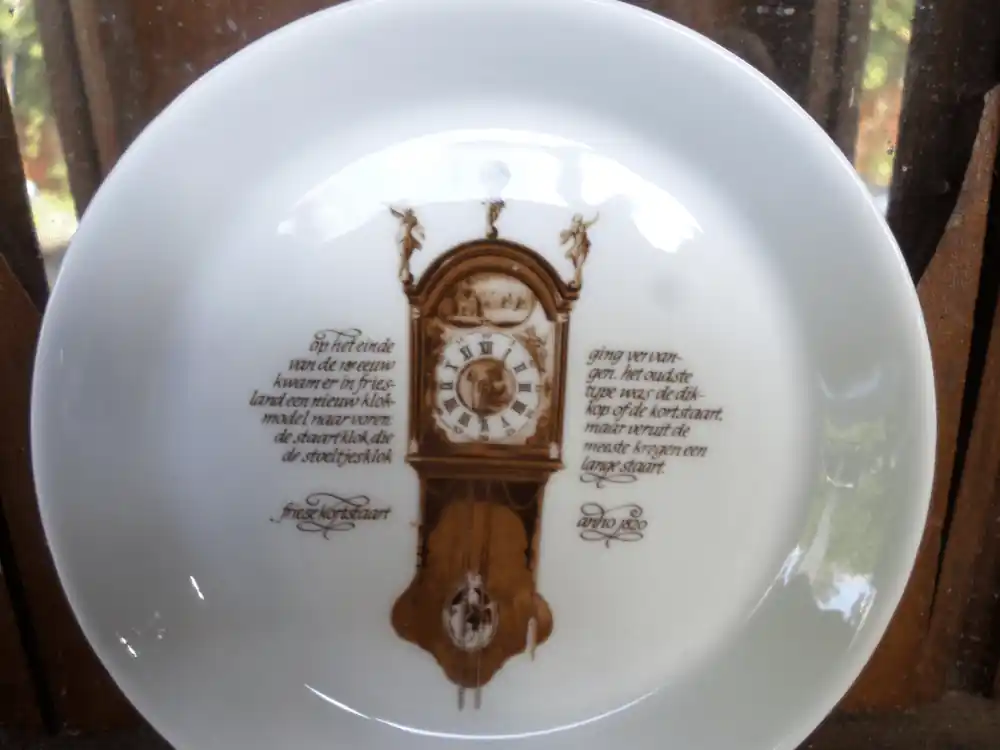
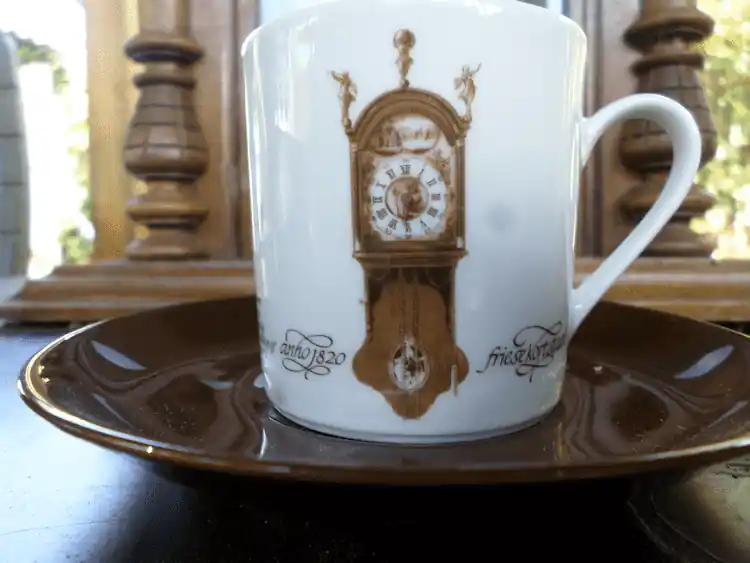
Friese Kortstaart anno 1820
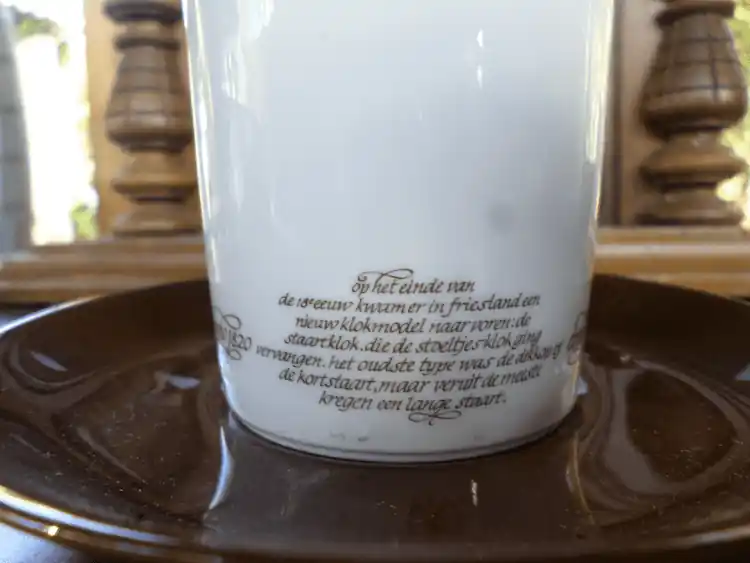
Op het einde van de 18e eeuw kwam er in friesland een nieuw klok-model naarvoren. de staartklok die de stoeltjesklok ging vervangen. Het oudste type was de dikkop of de kortstaart, maar veruit de meeste kregen een lange staart.
At the turn of the 18th century, a new clock came forth out of the shadows in Fryslan. The tailclock that would replace the "little chair clock". The oldest types of tail clock were the fathead and the shorttail, but far out the most had a long tail.
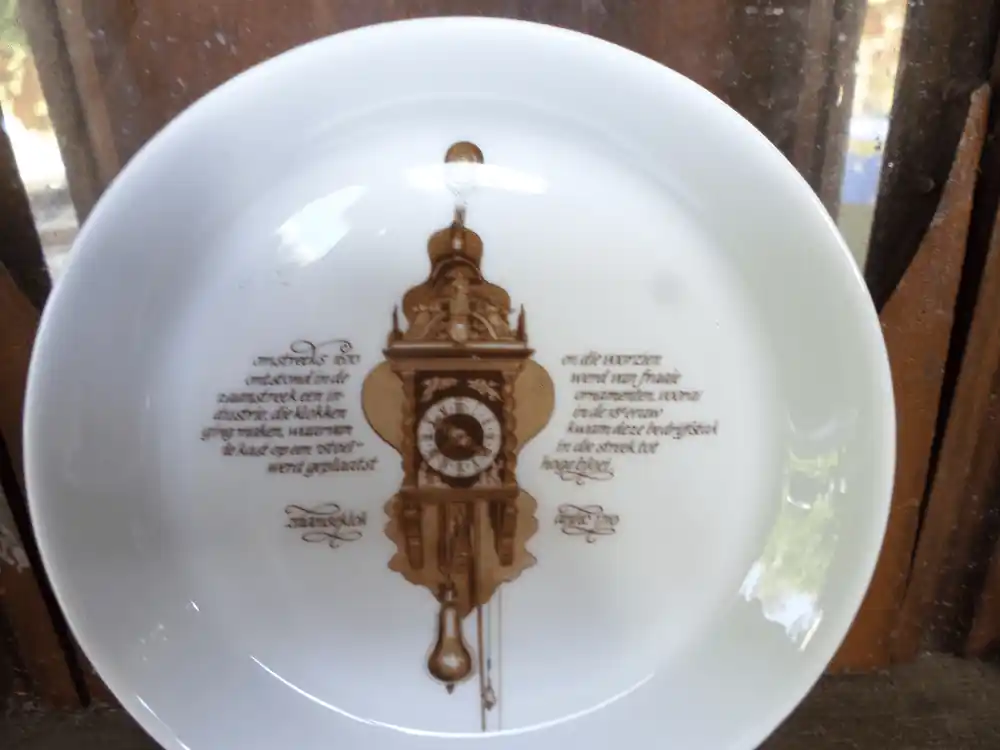
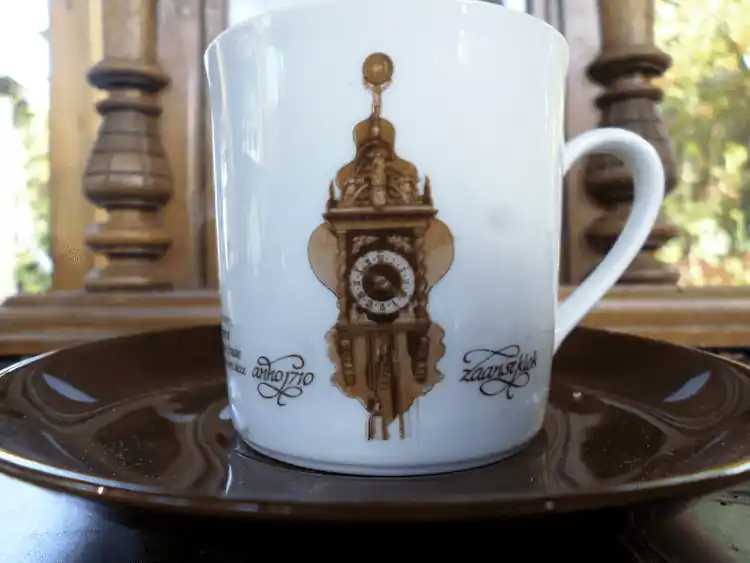
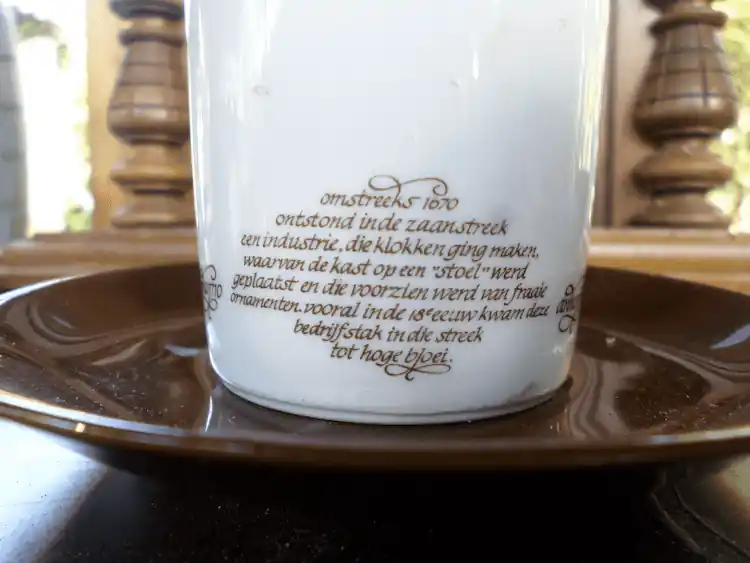
Zaanseklok anno 1670
Omstreeks 1670 ontstond in de Zaanstreek een industrie, die klokken ging maken, waarvan de kast op een "stoel" werd geplaatst en die voorzien werd van fraaie ornamenten. Vooral in de 18e eeuw kwam deze industrie in die streek tot hoge bloei.
Around 1670 a new industry came about in the Zaan-region, which was going to produce a new type of clock, of which the housing would be seated on a "chair" and would be forseen of many complex ornaments. The industry mainly came to flourish in the 18th century in this region.
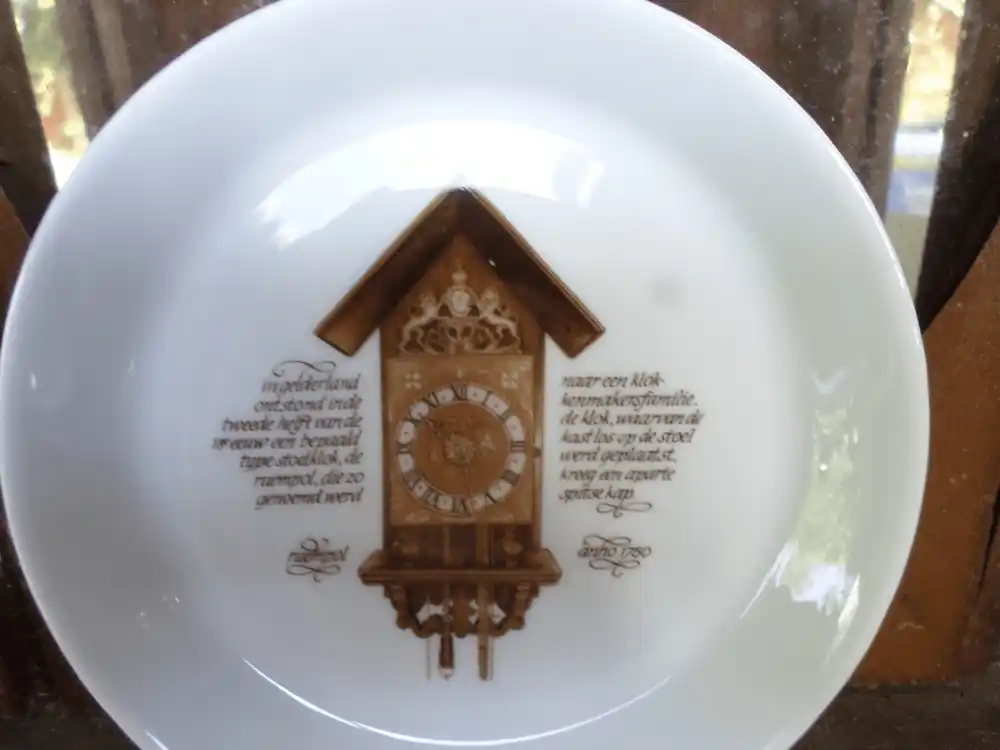
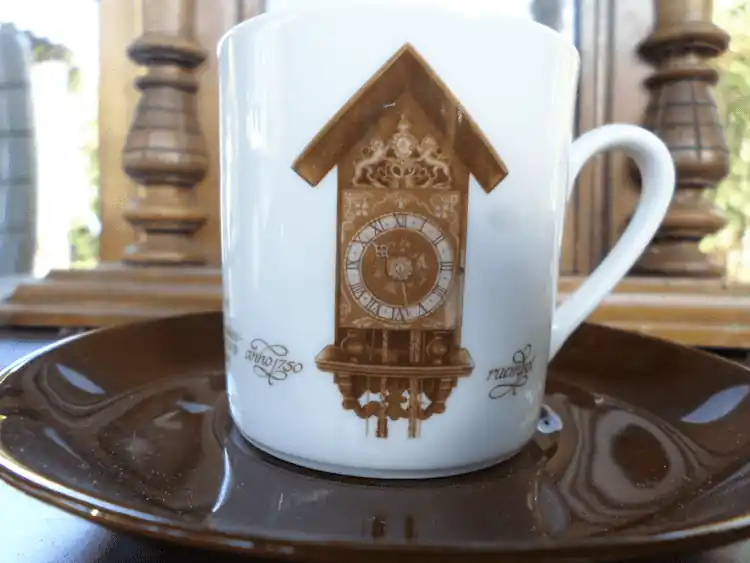
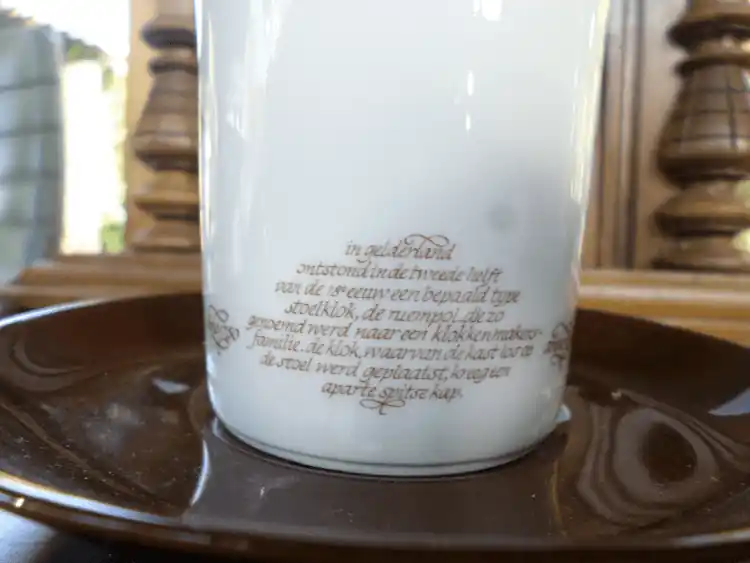
Ruempol anno 1750
In Gelderland ontstond in de tweede helft van de 18e eeuw een nieuw type stoelklok, de Ruempol, die zo genoemd was naar een klokkenmakersfamilie. De klok, waarvan de kast los op de stoel werd geplaatst, kreeg een aparte spitse kap.
In the latter half of the 18th century a new type of chairclock came about in Gelderland, the so called Ruempol, which was named after a family of clockmakers. The clock, of which the housing was placed unsecured on the chair, was given a defining slanted roof which hung above the rest of the clock.
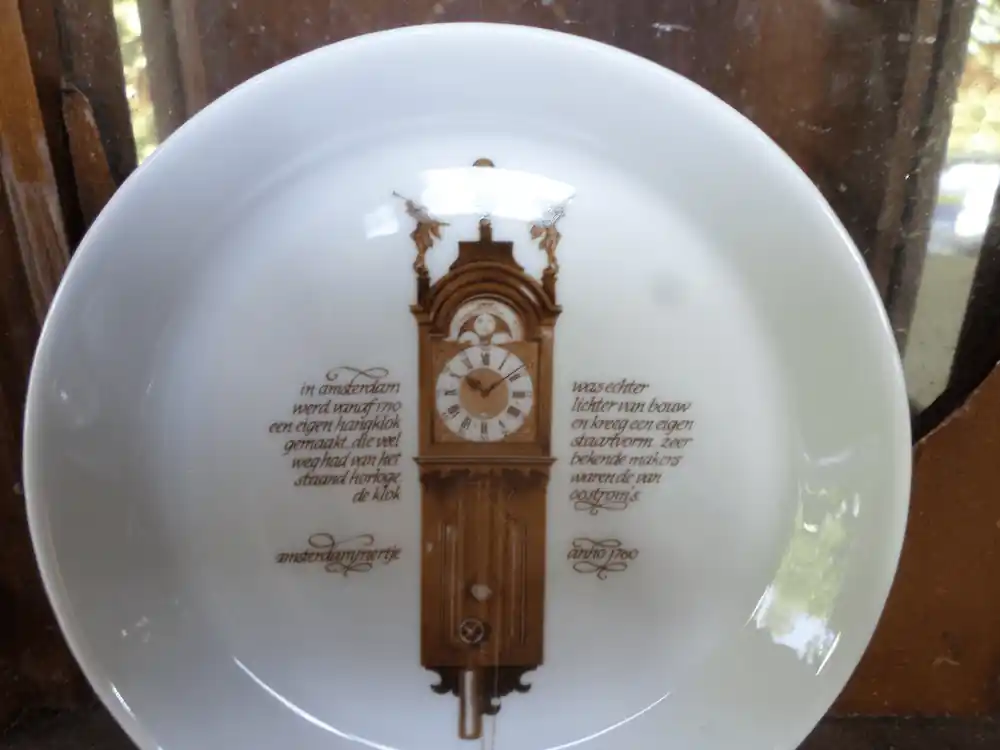
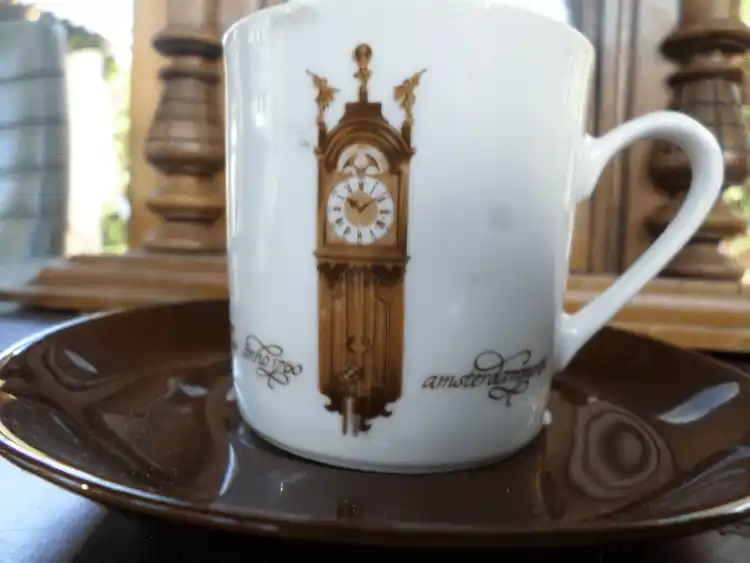
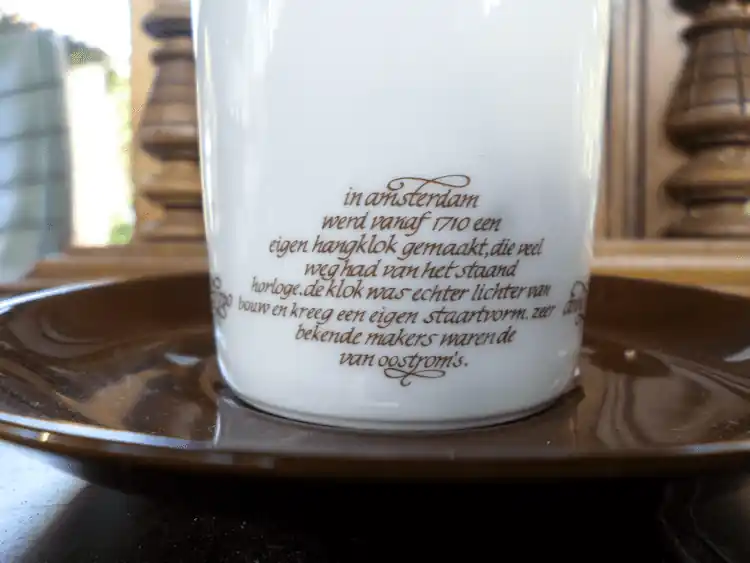
Amsterdammertje anno 1760
In Amsterdam werd vanaf 1710 een eigen hangklok gemaakt die veel weg had van de staande horloge. De klok was echter lichter van bouw en kreeg een eigen staart vorm. Zeer bekende makers waren de Van Oostrom's.
In Amsterdam a new type of mounted clock, which heavily resembled the standing Horloge, started being made in 1710. This clock was however of a lighter build and started to acquire its own tailform. Very famous makers of this clock were the Van Oostrom's.
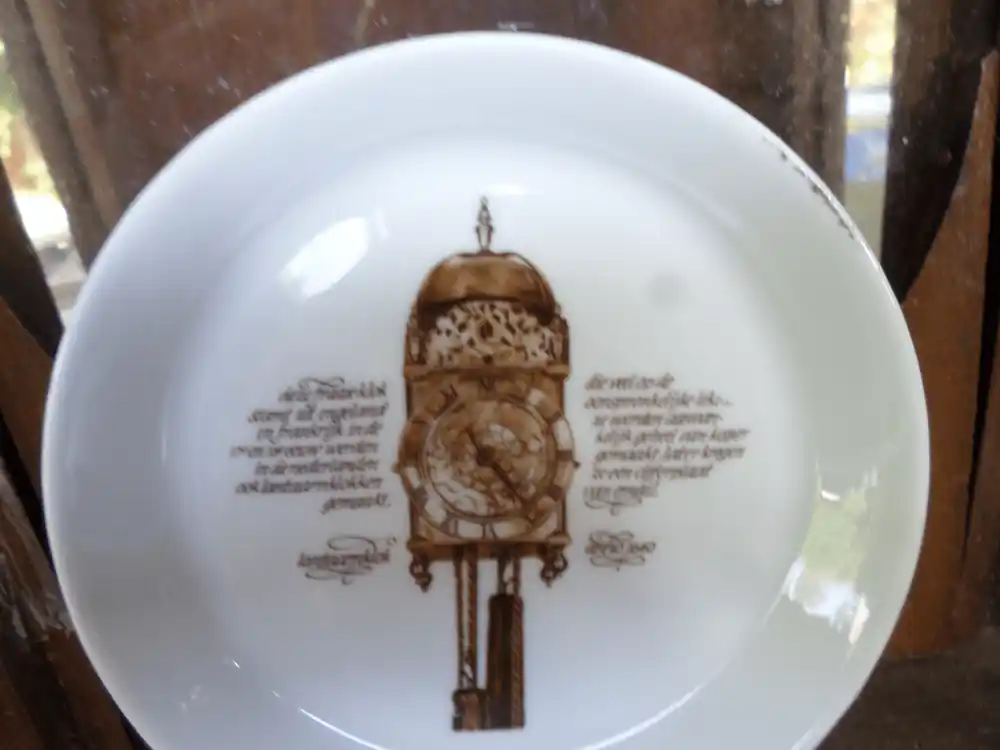
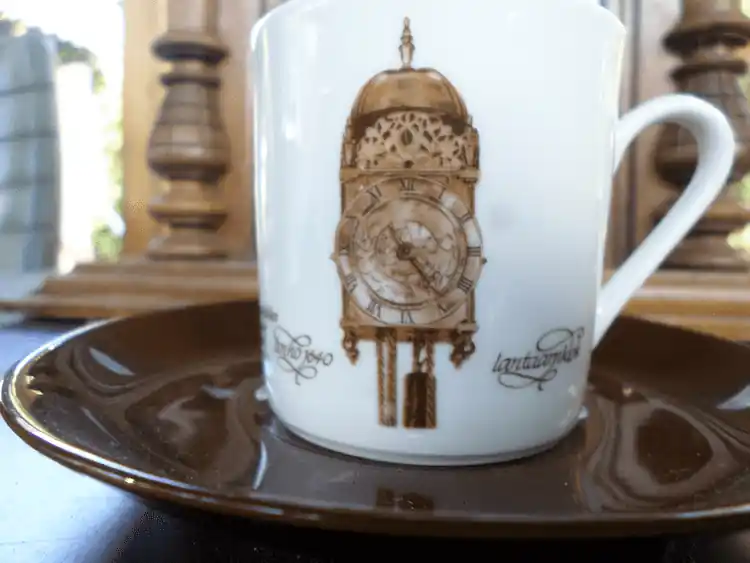
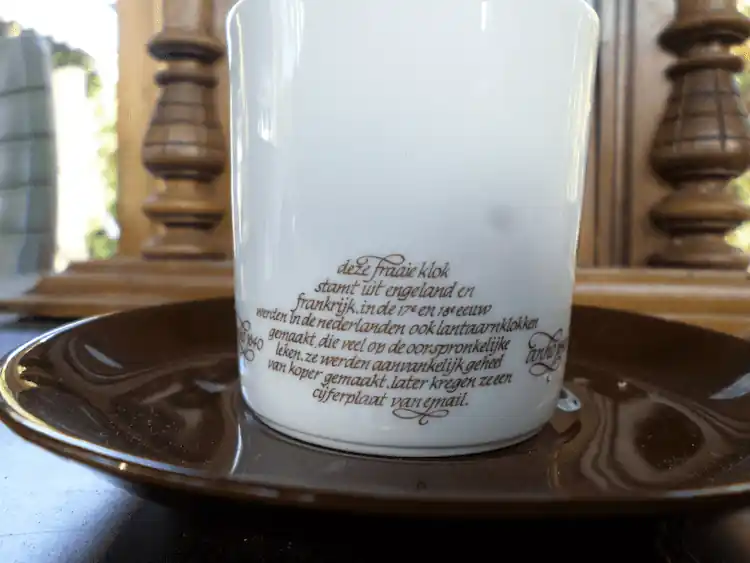
Lantaarenklok anno 1640
Deze fraaie klok stamt uit Engeland en Frankrijk. In de 17 en 18e eeuw werden in de Nederlanden ook Lantaarnklokken gemaakt, die veel op de oorspronkelijke leken. Ze werden oorspronkelijk geheel van koper gemaakt, later kregen ze een cijferplaat van Emaille.
This delecate clock finds its origins in England and France. In the 17th and 18th centuries, the Netherlands (which were not entirely liberated/united yet) also started making lanternclocks, which strongly resembled the originals. At first the entire clocks were made entirely from copper, but later the clockfaces would be made from Enamel.
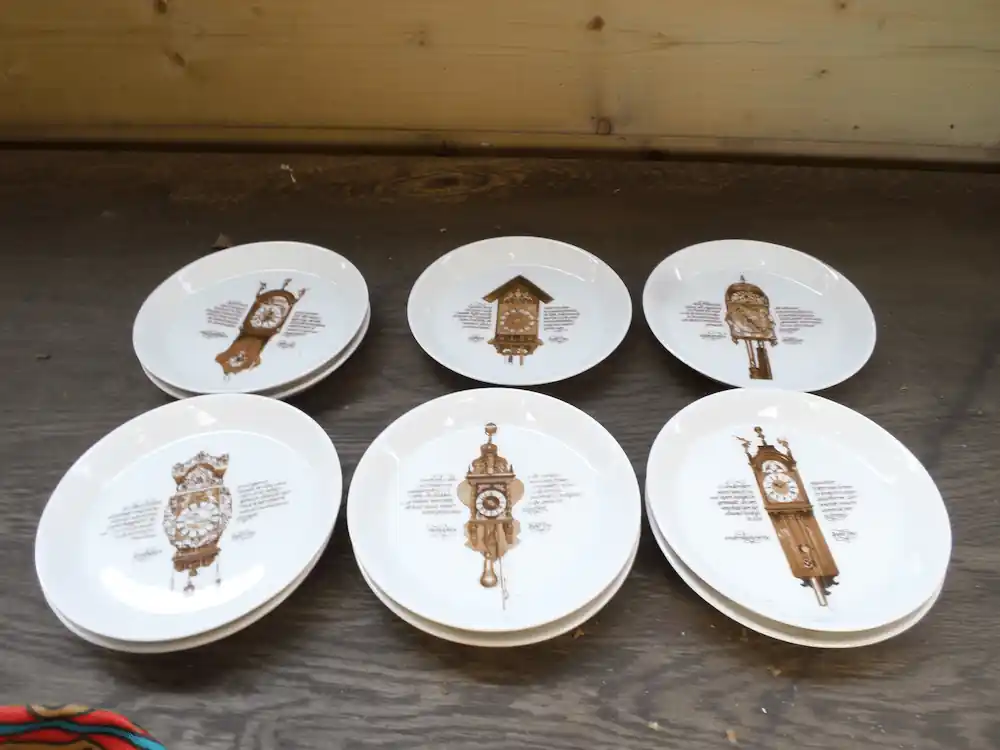
All of the lil cake platters in my collection. I have a fair few duplicates, but no missing pieces!
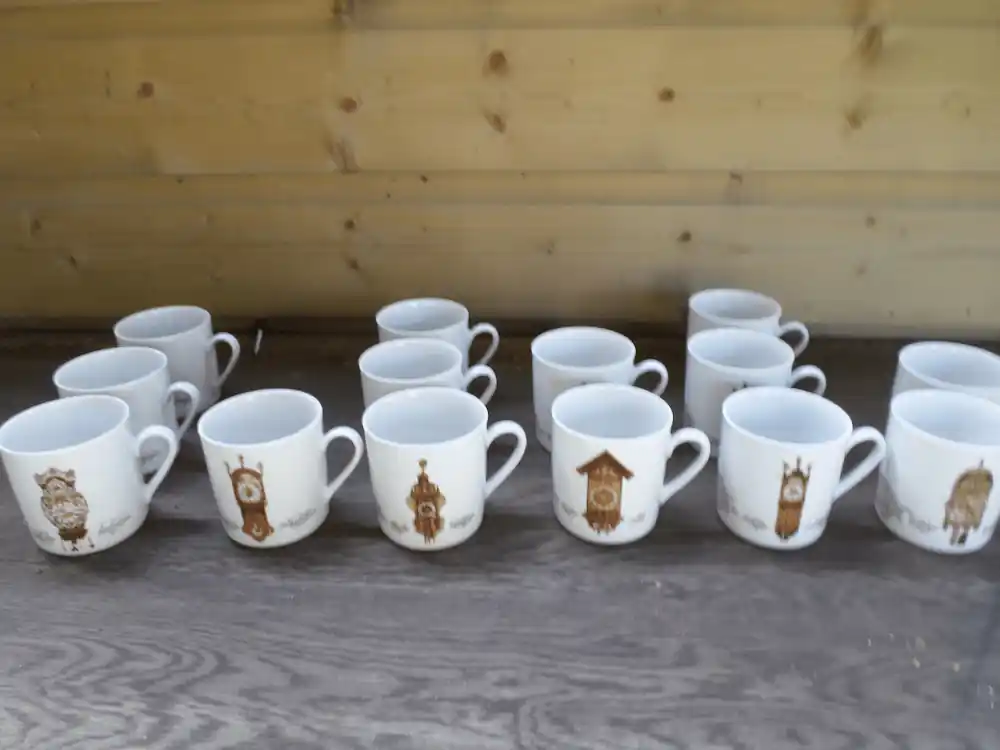
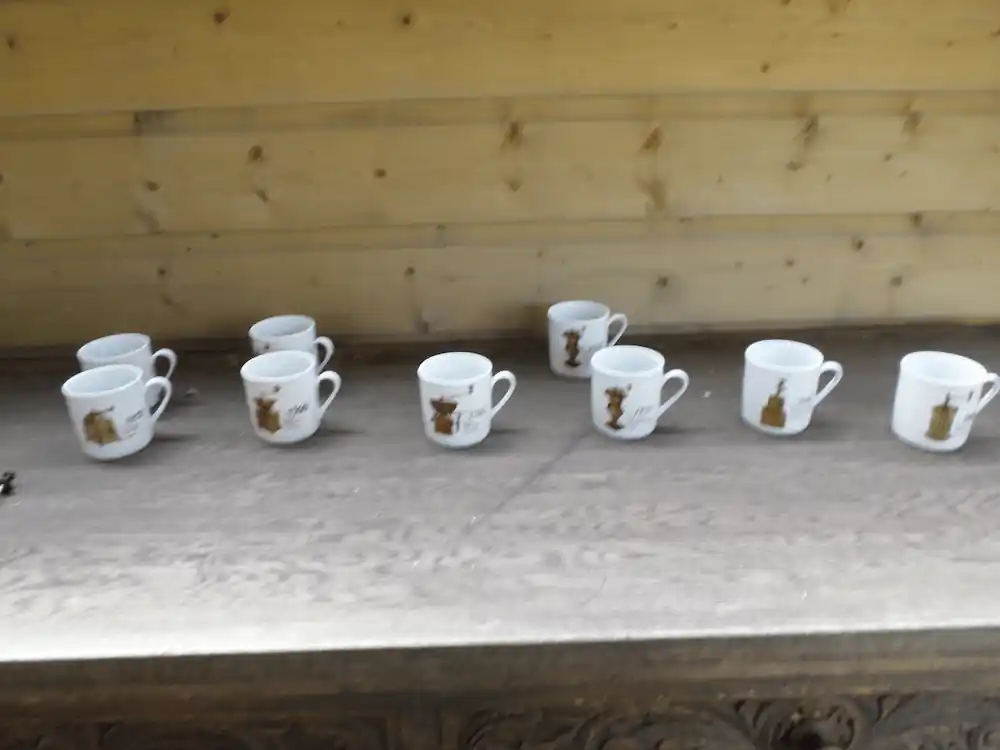
All of the lil cups in my collection. I have a fair few duplicates, but no missing pieces!
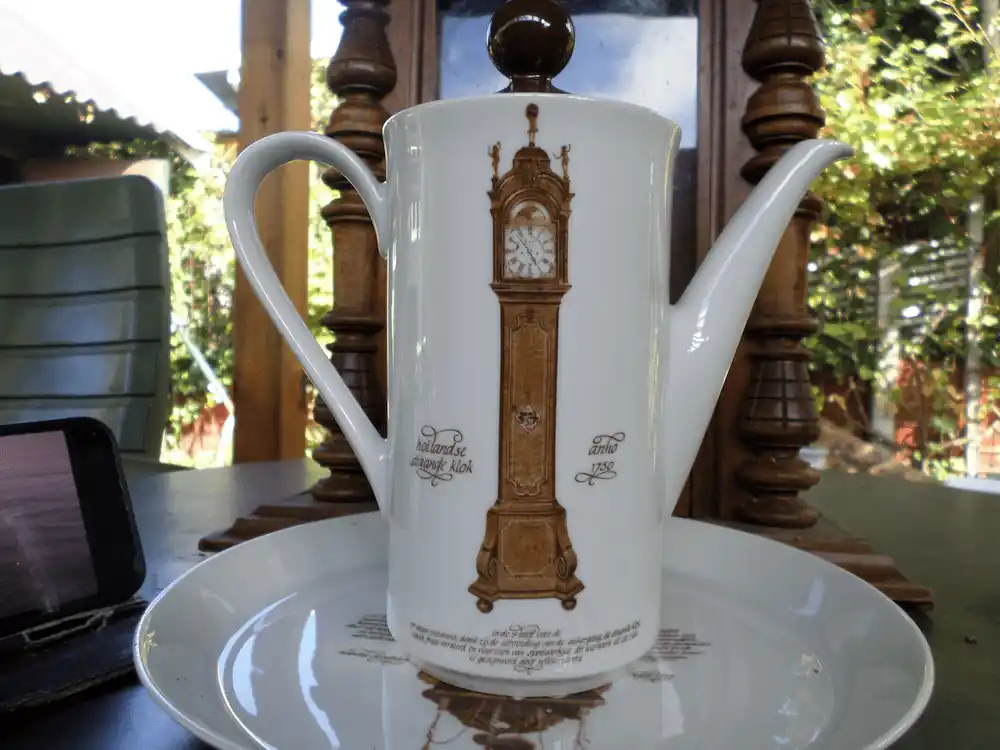
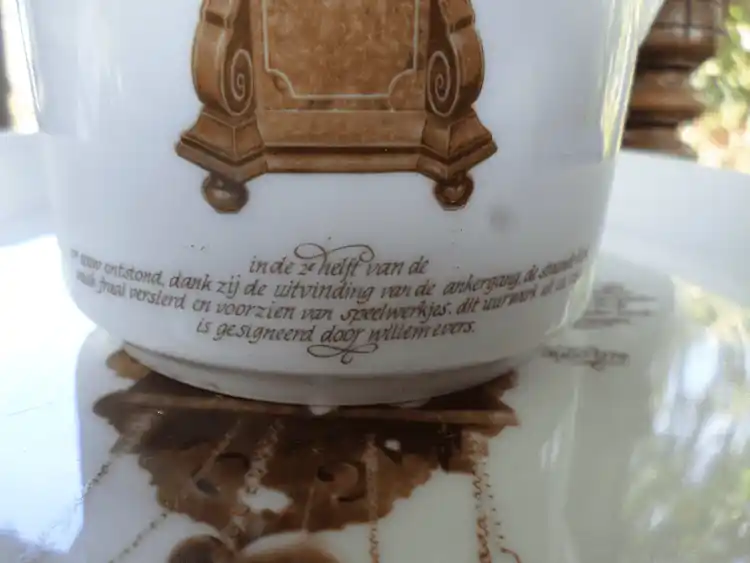
Hollandse staande klok anno 1750
In de 2e helft van de 17e eeuw ontstond, dankzij de uitvinding van de ankergang, de staande klok. Vaak fraai versierd, en voorzien van speelwerkjes, Dit uurwerk ut CA1750 is gesigneerd door Willem Evers.
In the second half of the 17th century, thanks to the invention of the anchor escapement, the standing clock was invented. Often delicately decorated, and profided with extra mechanical additions, this specific hourwork from around 1750 was signed bt Willem Evers.
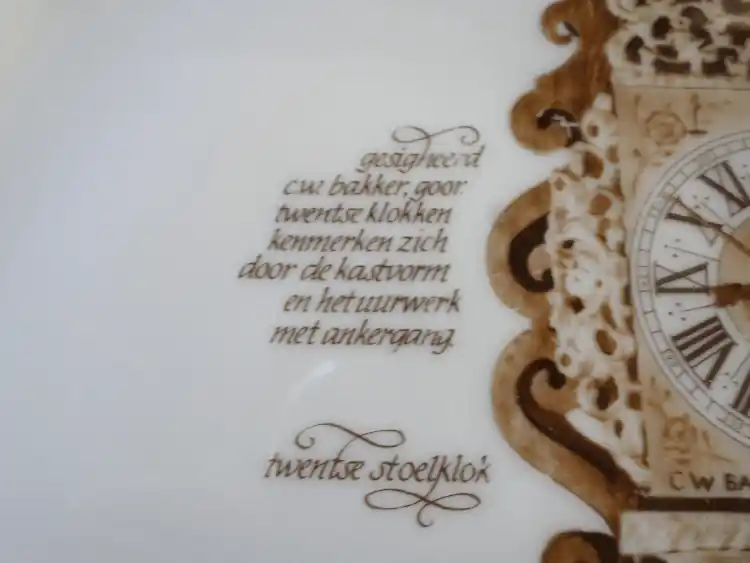
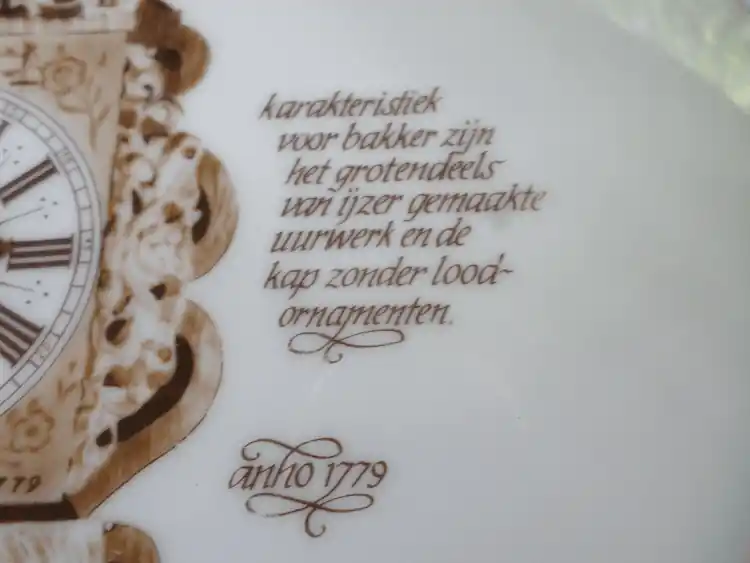
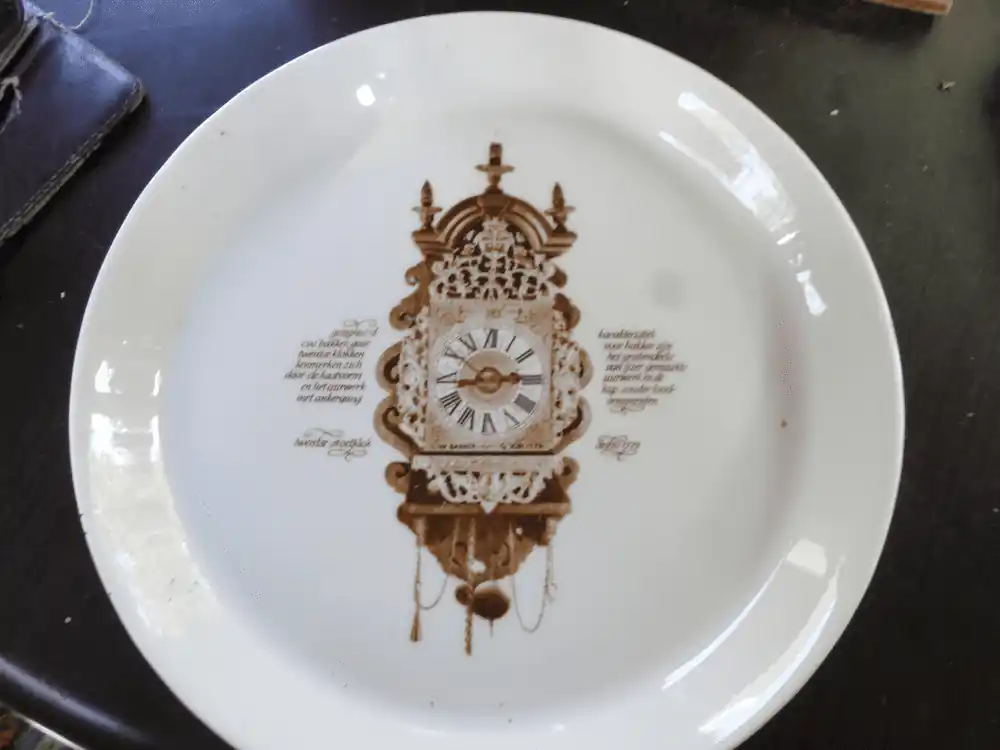
Twentse stoel klok anno 1779
Gesigneerd door C.W. Bakker, Goor. Twentse klokken kenmerken zich door de kastvorm en het uurwerk met ankergang. karakteristiek voor Bakker zijn het grootdeels van ijzer gemaakte uurwerk en de kap zonder lood-ornamenten.
Signed by C.W. Bakker, Goor. Clocks from Twente are identifyable by the shape of the closet and the hourwork with an anchor escapement mechanism. Characterizing for Bakker's clocks are hourwork that is mainly made from iron, and the roof that is free of any lead ornaments.
I can for the life of me not find any information on this porselain set other than that it is made for the coffee company Douwe Egberts. All I can currently find about it is a single listing for this set for 10buckaroos.
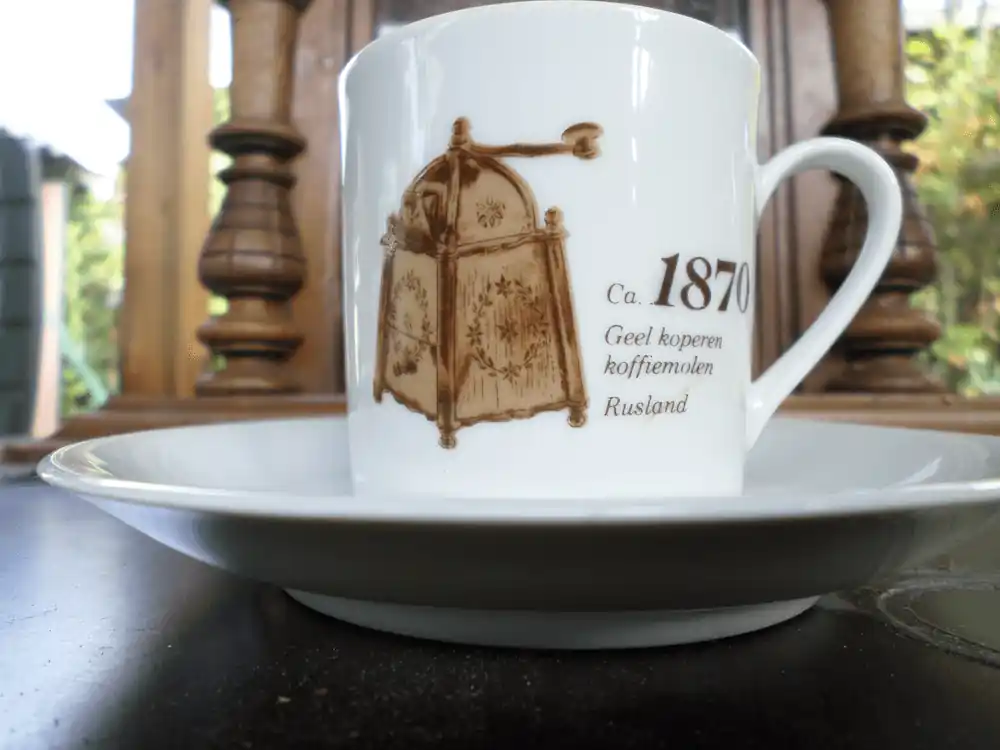
CA1850 geel koperen molen, Rusland
CA1850 yellow copper mill, Russia
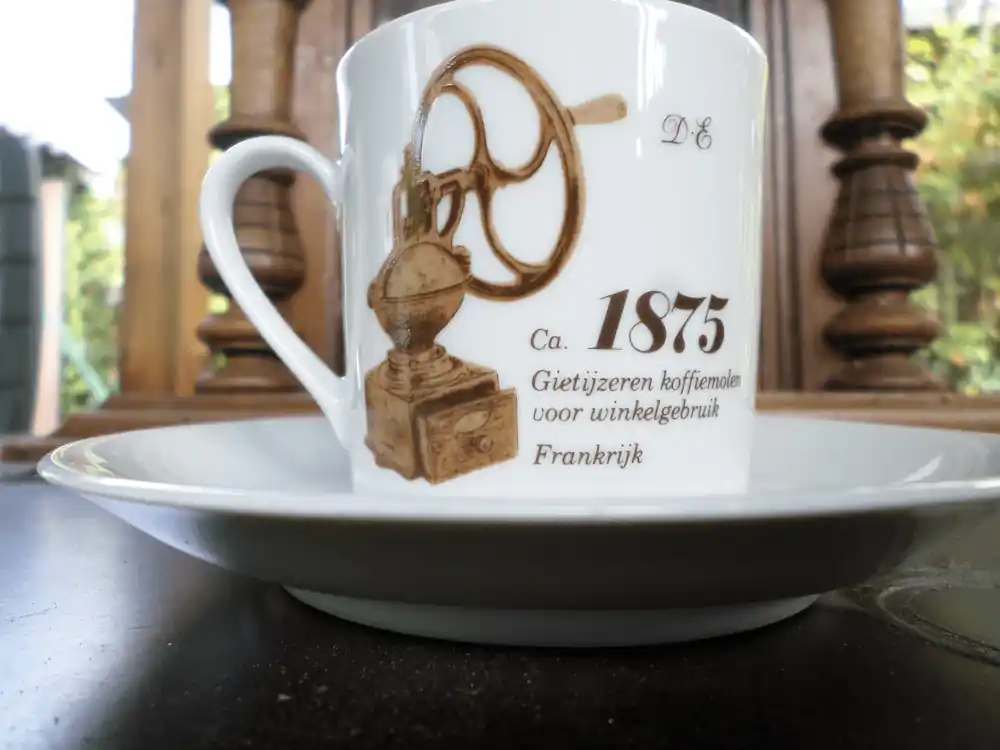
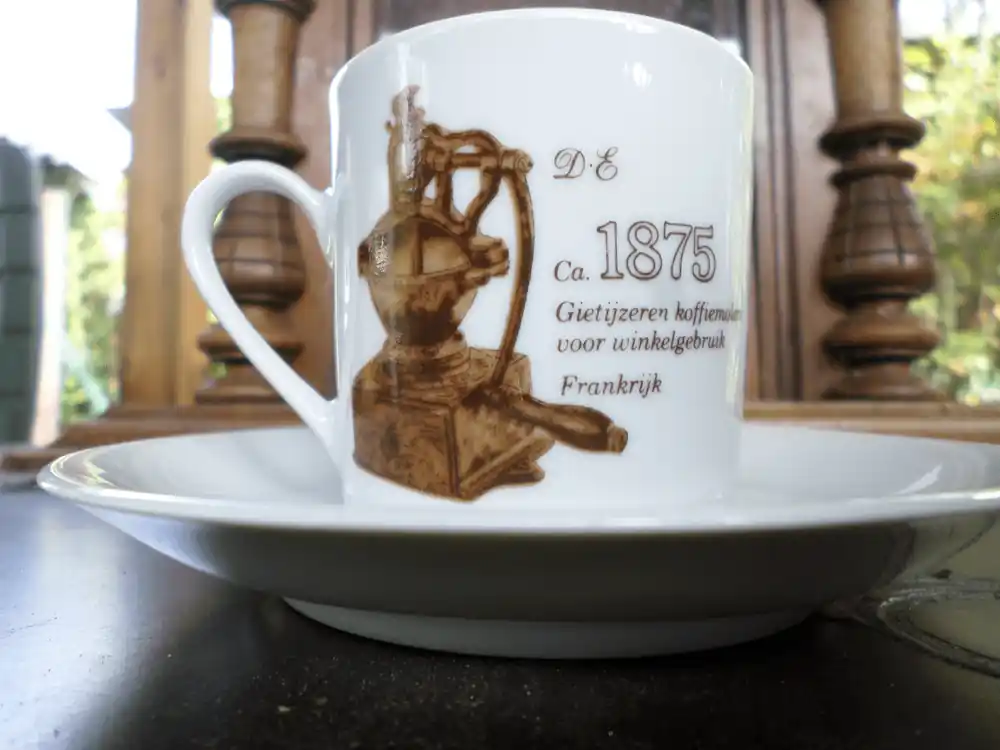
CA1875 gietijzeren koffiemolen voor winkel gebruik, Frankrijk
CA1875 castiron coffee grinder for store use, France
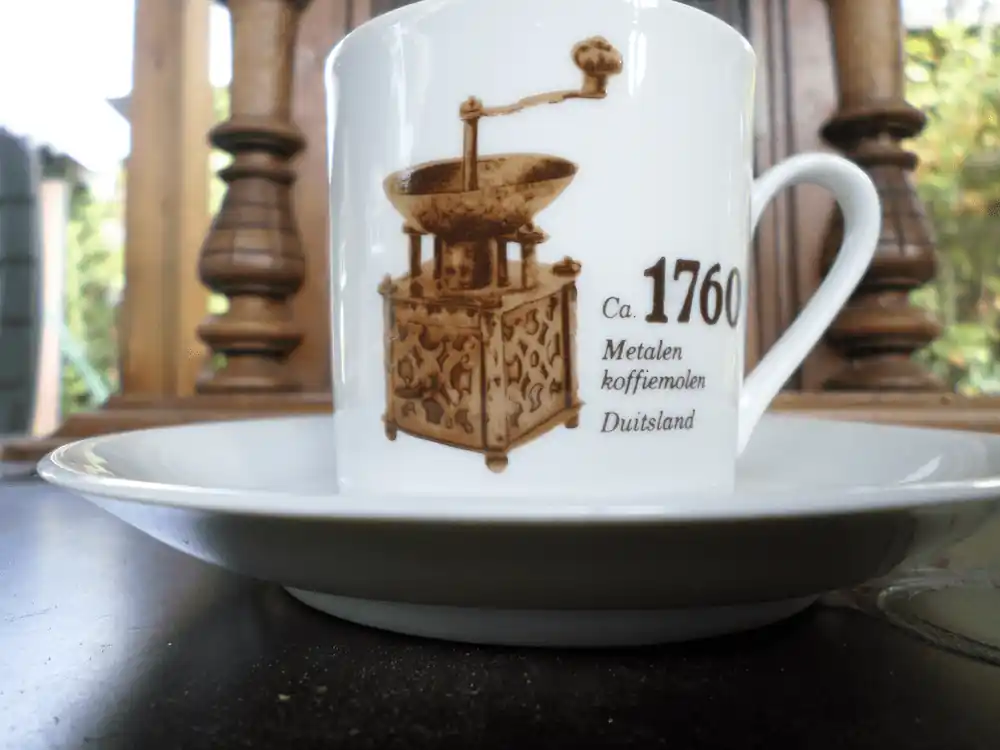
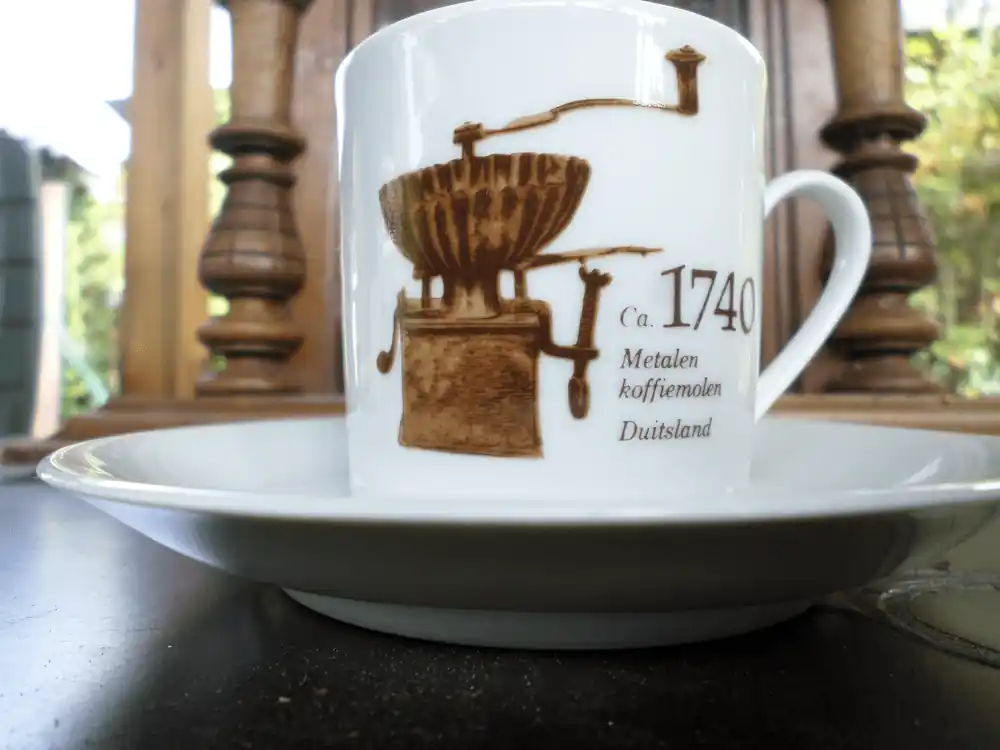
CA1740 metalen koffiemolen, Duitsland
CA1740 Metal coffee grinder. Germany
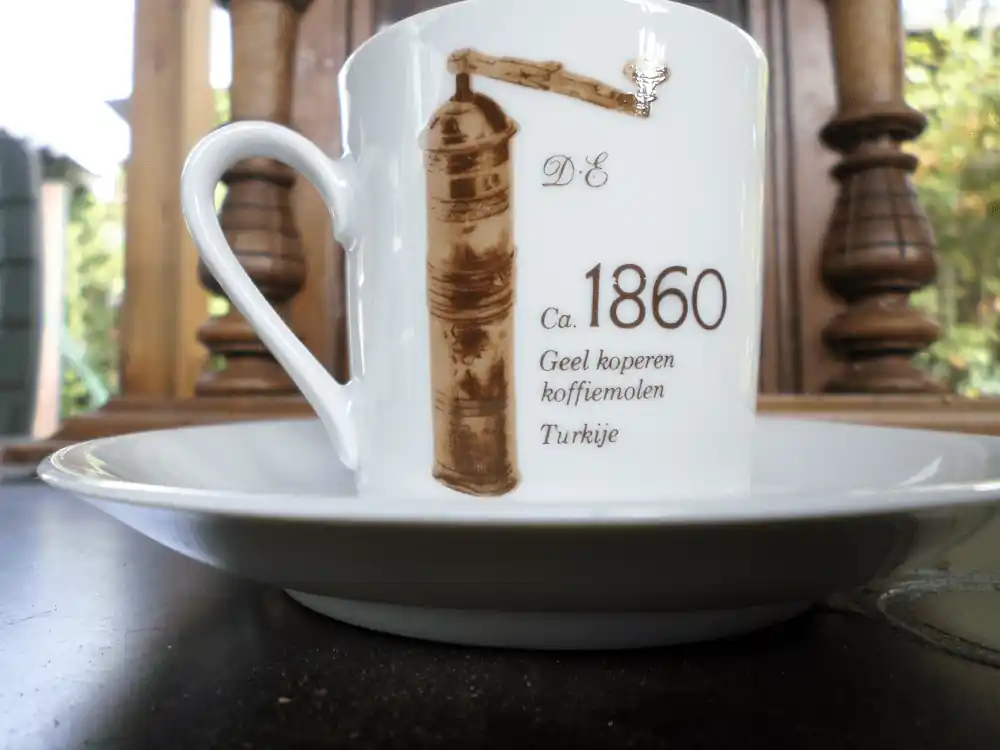
CA1875 geel koperen molen, Turkije
CA1875 yellow copper mill, Turkey
CA1760 metalen koffiemolen, Duitslsnd
CA1760 metal coffee grinder. Germany
CA1860 gietijzeren koffiemolen voor winkel gebruik, Frankrijk
CA1860 castiron coffee grinder for store use, France
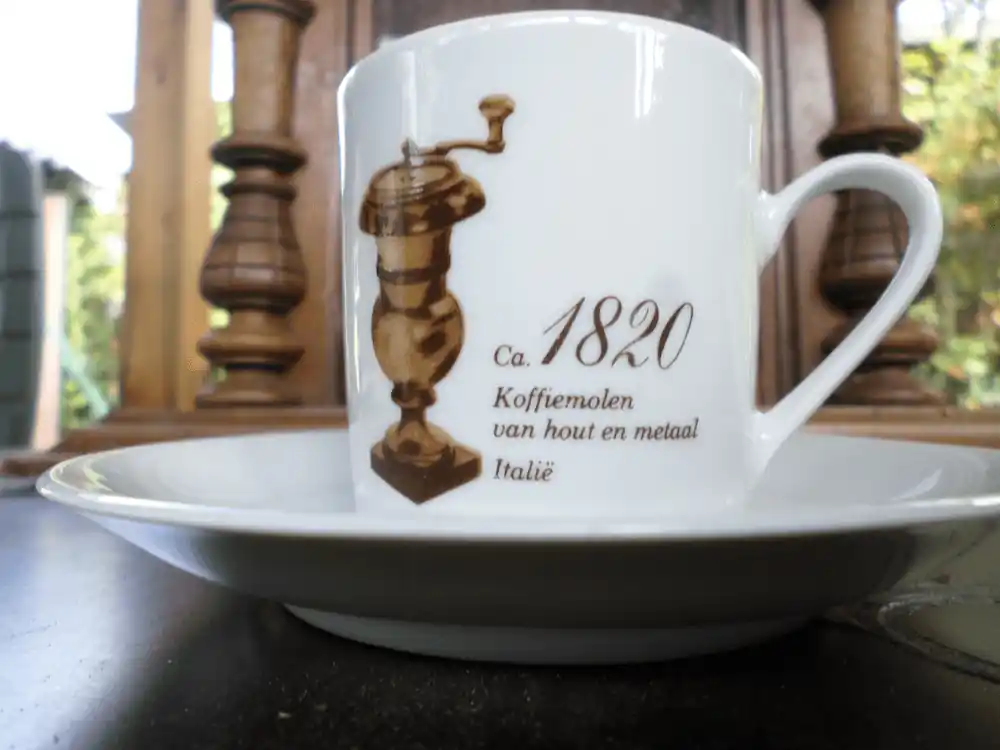
CA1820 koffiemolen van hout en metaal, Italie
CA1820 wooden and metal coffee grinder, Italy
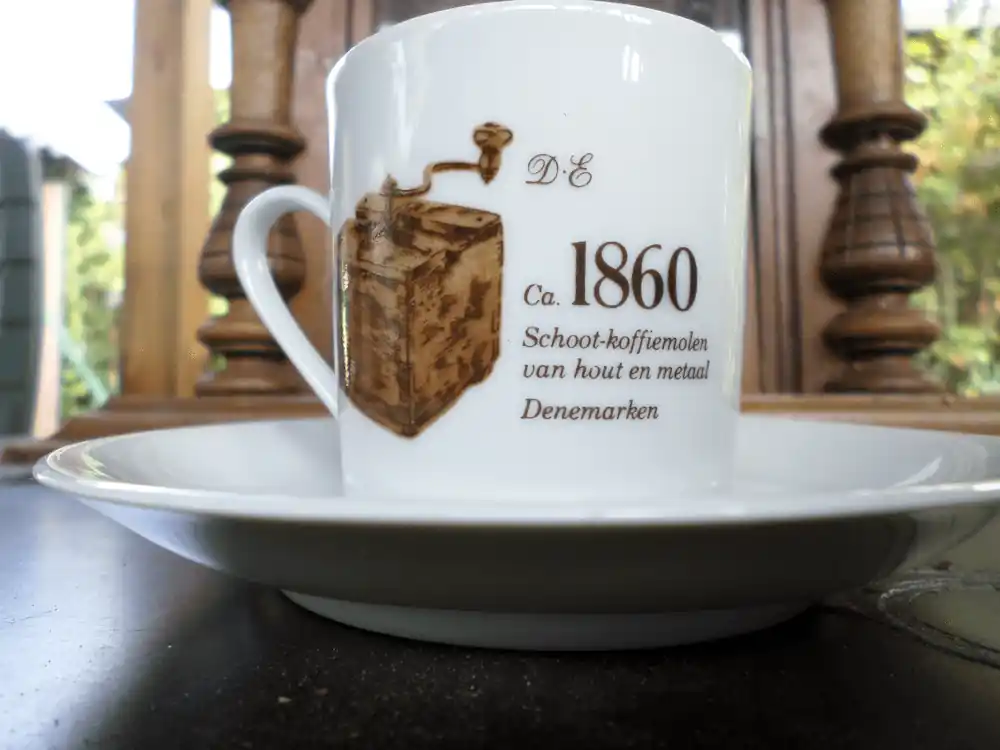
CA1860 schoot koffiemolen van hout en metaal, Denemarken
CA1860 wooden and metal lap coffee grinder, Denmark
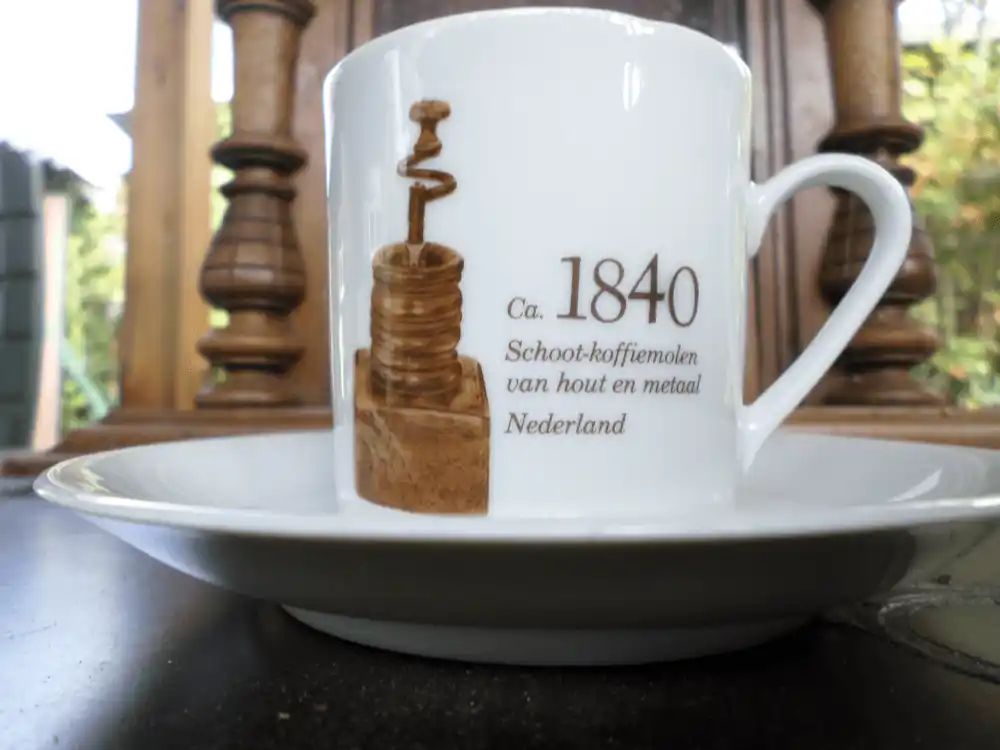
CA1840 schoot koffiemolen van hout en metaal, Nederland
CA1840 wooden and metal lap coffee grinder, the Netherlands
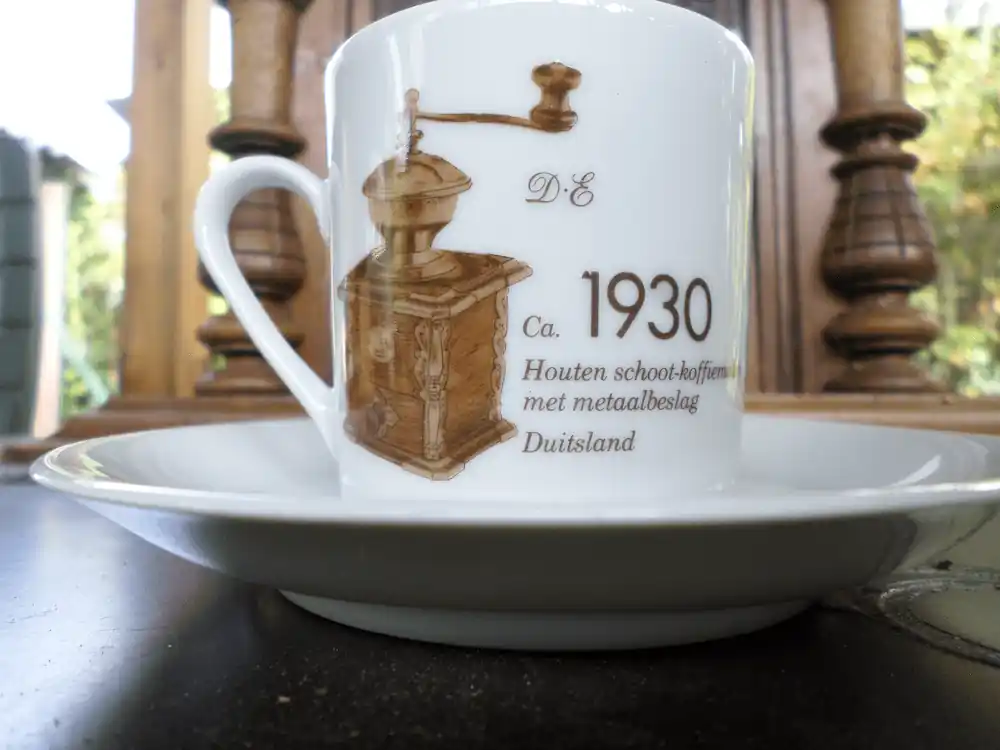
CA1930 houten schoot-koffiemolen met metaalbeslag, Duitsland
CA1930 wooden lap coffee grinder with metal detailing, Germany
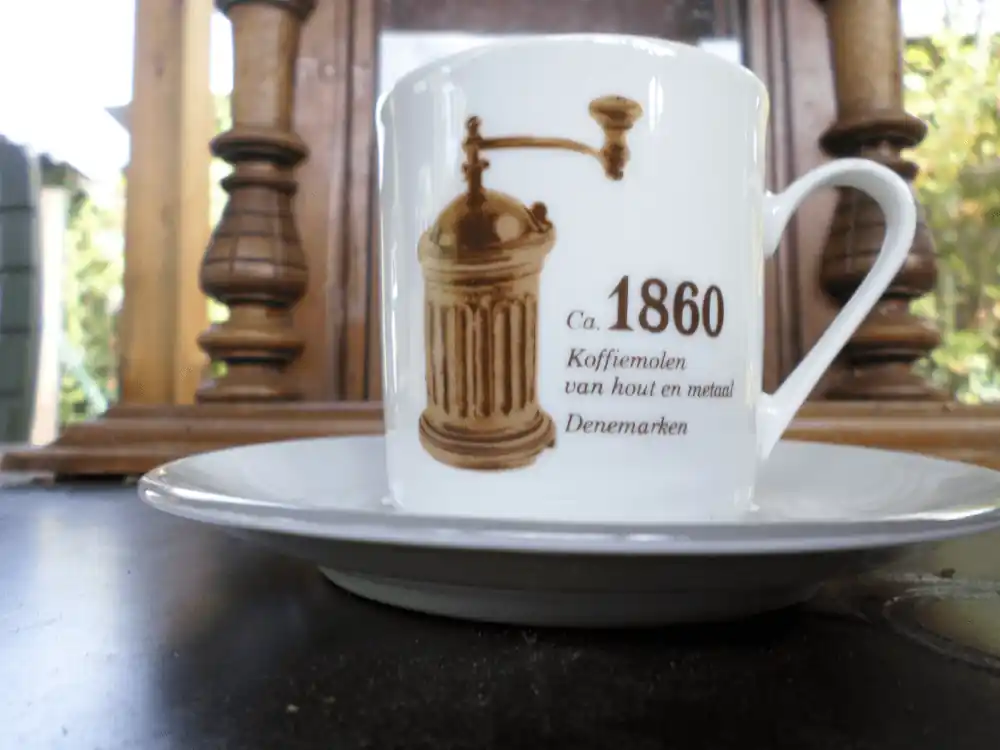
CA1860 schoot koffiemolen van hout en metaal, Denemarken
CA1860 wooden and metal lap coffee grinder, Denmark
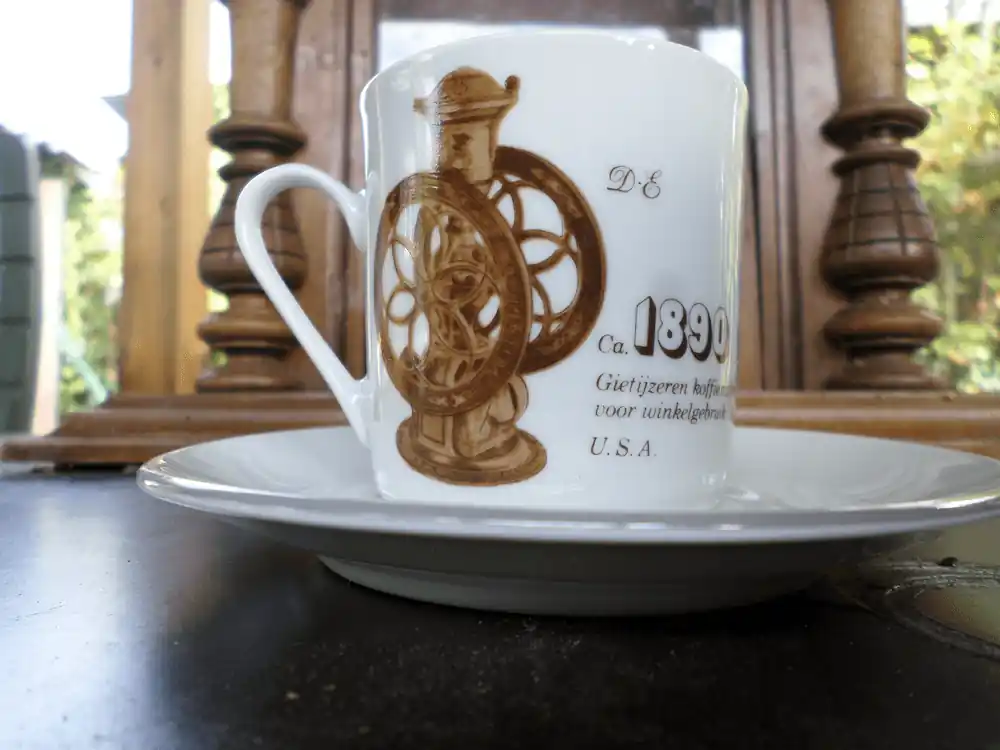
CA1890 gietijzeren koffiemolen voor winkel gebruik, U.S.A
CA1890 castiron coffee grinder for store use, U.S.A.